Planning your first European tour can feel overwhelming. With hundreds of tour companies, thousands of itineraries, and countless destinations to choose from, where do you even begin? This comprehensive guide walks you through every decision, helping you select the perfect tour for your first European adventure. We'll cover how to evaluate tour operators, choose destinations, understand what's included in tour prices, prepare for your trip, and avoid common first-timer mistakes.
Understanding Tour Types
European tours come in several distinct categories, each suited to different travel styles. Escorted tours include a guide throughout who handles logistics, provides commentary, and manages the group. These are ideal for first-timers who want structure and support. Independent tours provide itineraries and bookings but you travel independently between destinations, offering more freedom but requiring more self-sufficiency. River cruises combine floating hotels with daily excursions, perfect for travelers wanting to unpack once while visiting multiple cities. Adventure tours focus on activities like hiking, cycling, or kayaking alongside cultural experiences. Understanding these categories helps narrow your options significantly.
Choosing Your Destinations
For first-timers, we recommend starting with classic Western European destinations that have excellent tourism infrastructure, English widely spoken, and efficient transportation. Popular first-timer itineraries include London-Paris-Amsterdam, Rome-Florence-Venice, or multi-country tours covering highlights of France, Switzerland, and Italy. These routes offer iconic experiences, comfortable travel conditions, and introductions to European culture, history, and cuisine. Save more adventurous Eastern European or Scandinavian destinations for subsequent trips once you're comfortable with European travel.
Consider the season carefully. Summer offers the best weather but largest crowds and highest prices. Spring and fall provide comfortable temperatures, fewer tourists, and better value, though some attractions may have reduced hours. Winter can be magical for Christmas markets and winter sports but many tourist facilities operate on limited schedules. Most first-timers find late April through June or September through early October ideal for balancing weather, crowds, and value.
Evaluating Tour Operators
Not all tour operators are created equal. Research companies thoroughly before booking, focusing on several key factors. First, check their reputation through independent review sites like TripAdvisor, Trustpilot, and Google Reviews. Look for consistent patterns in feedback rather than focusing on individual complaints. Second, verify their credentials—are they members of professional associations like USTOA or ASTA that require financial bonding and ethical standards? Third, examine what's included in the tour price versus what costs extra. Some companies advertise low prices but exclude many meals, activities, and entrance fees.
Contact the tour company directly with questions. How they handle inquiries reveals their customer service quality. Ask about guide qualifications, accommodation standards, group sizes, and cancellation policies. Reputable companies answer questions thoroughly and help you understand exactly what you're purchasing. Be wary of companies that are vague about details or pushy about immediate bookings.
Understanding Tour Inclusions
Tour prices vary dramatically based on what's included. At minimum, expect accommodations, daily breakfast, and transportation between destinations. Better tours include more meals, entrance fees to major attractions, and gratuities for guides and drivers. Luxury tours include virtually everything, from gourmet dinners to skip-the-line access and premium wines. Understanding inclusions prevents budget surprises. Calculate the real cost by adding estimated expenses for excluded meals, optional activities, tips, and personal spending. Sometimes a higher-priced tour with more inclusions offers better overall value than a cheaper option with many add-ons.
Group Size Considerations
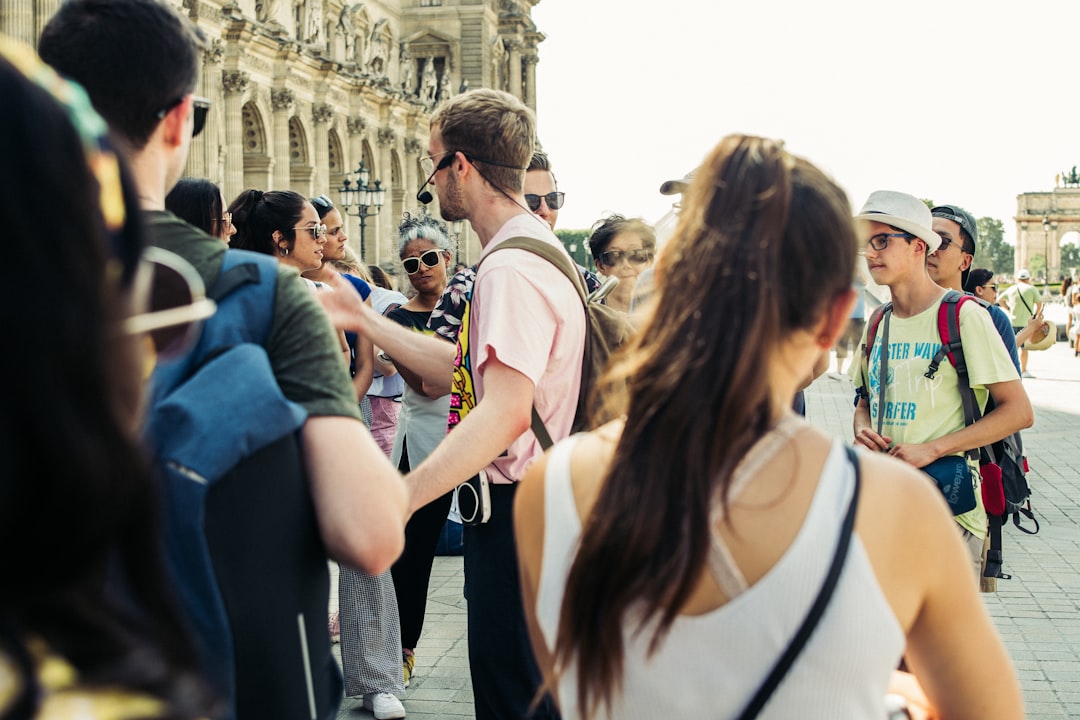
Group size dramatically affects your experience. Large groups of 40-50 travelers keep costs down but mean less personal attention, slower logistics, and limited flexibility. You'll feel like you're being herded through attractions. Small groups of 12-16 offer intimate experiences, personalized service, and better access to certain venues. Mid-size groups of 20-30 balance cost and experience. For first-timers, we recommend groups under 25 to ensure guides can address individual needs and the pace isn't too rushed.
Pacing and Free Time
Tours vary significantly in pace. Some pack activities from morning to evening with minimal free time, maximizing sights but potentially feeling exhausting. Others balance guided activities with free time for independent exploration, rest, or optional activities. First-timers often underestimate travel fatigue, especially with jet lag. Look for tours with reasonable pacing, typically covering 2-4 major activities daily with some afternoons or evenings free. Avoid itineraries that change hotels daily or visit a different city each day, as constant packing and travel become exhausting.
Essential Documents and Requirements
Ensure your passport is valid for at least six months beyond your travel dates. US, Canadian, Australian, and New Zealand citizens don't need visas for tourist visits under 90 days in most European countries, but verify specific requirements for your destinations. Starting in 2025, travelers from visa-exempt countries will need ETIAS authorization for Schengen Area travel—a simple online application costing €7. Make copies of important documents and store them separately from originals. Share itineraries with family or friends at home.
Travel Insurance Essentials
Never skip travel insurance for European tours. Quality policies cover trip cancellation due to illness or family emergencies, medical expenses abroad, emergency evacuation, lost luggage, and travel delays. Comprehensive coverage costs approximately 4-7% of your tour price but protects substantial investments. Purchase insurance within 14 days of your initial tour deposit to access cancel-for-any-reason coverage. Read policies carefully, understanding coverage limits, exclusions, and claim procedures. Many tour operators offer insurance, but comparing independent providers often yields better coverage at competitive prices.
Packing Smart
Europeans generally dress more formally than Americans, especially in cities. Pack versatile clothing that layers well, focusing on neutral colors that mix and match. One pair of very comfortable walking shoes is essential—you'll walk miles daily on cobblestones and uneven surfaces. Bring a second pair as backup. Most tours involve frequent hotel changes, so pack light—a carry-on size bag is ideal if possible. European hotels often lack amenities Americans expect, so bring small bottles of favorite toiletries, though basic items are available everywhere.
Money Matters
Most European countries use the euro, though UK, Switzerland, and some Eastern European nations maintain their own currencies. Notify your bank and credit card companies about travel dates to prevent fraud blocks. Carry at least two credit cards from different networks (Visa and Mastercard) as backups. ATMs offer the best exchange rates for cash, but inform your bank beforehand to avoid foreign transaction fees. Bring small amounts of local currency for initial arrival expenses like taxis or tips. Many places accept cards, but having cash for small purchases and markets is practical.
Common First-Timer Mistakes
First-timers frequently make predictable mistakes that diminish their experiences. Overpacking is most common—you don't need as many clothes as you think, and hauling heavy bags through airports and hotel lobbies is exhausting. Trying to see too much leads to burnout rather than enjoyment. Skipping travel insurance seems like savings until something goes wrong. Not learning basic phrases in local languages misses opportunities for cultural connection. Expecting everything to mirror home creates frustration—embrace differences as part of the adventure. Failing to research destinations means missing context that makes sites meaningful. Not budgeting for meals and extras leads to financial stress during trips.
Making the Most of Guided Tours
Maximize your tour investment by engaging actively. Ask guides questions—they're knowledgeable resources eager to share expertise. Arrive punctually for all activities; chronic lateness disrupts everyone's experience. Socialize with fellow travelers during meals and bus rides, creating connections that enrich the journey. Use free time strategically for personal interests rather than just shopping. Take notes or photos to help remember experiences and stories. Be flexible when itineraries adjust for weather or other factors. Tip guides and drivers appropriately to recognize their hard work—this is customary and expected.
Health and Safety
Europe is generally very safe, with low crime rates compared to many parts of the world. Exercise normal urban precautions: watch belongings in crowded areas, use hotel safes for valuables, and avoid poorly lit areas at night. Pickpocketing occurs in tourist areas, so secure bags and pockets. Health-wise, tap water is safe throughout Western Europe. Bring prescription medications in original containers with doctor's letters for controlled substances. European pharmacies are excellent for minor ailments, and pharmacists often speak English. Emergency services respond quickly throughout Europe, though understanding how to access them varies by country.
Your first European tour will likely be one of the most memorable trips of your life. By choosing carefully, preparing thoroughly, and maintaining realistic expectations, you'll create wonderful memories and probably start planning your return before you've even left. Europe offers incredible diversity of culture, history, food, and landscapes, all accessible through well-organized tours that handle logistics while you focus on experiencing everything this magnificent continent offers. Take the leap, book that tour, and prepare for an adventure that will exceed your expectations in ways you can't yet imagine.